Chapter 8: Cultural Communities
Communities consist of specific groups of the
culture in which members trough different kinds of interpersonal relationships
carry out practices in specific social and physical settings. Such groups of
people range from broad amorphous communities like nation, gender, race,
religion, socioeconomic class, region or generation to more narrowly defined
groupings: workplace, a neighborhood, an alumni association, a local political
party, one’s family. All cultural practices are grounded in social settings of
some kinds that reflect communities that participate in those settings.

The national culture
community
The social institutions of the culture define
communities and accompanying practices for everyone within the borders of the
national culture.
The social institutions of the culture and its
systems tend to reflect the dominant cultural communities, the ones that have
the most influence.
Community are the members as the general public. We
develop interpersonal relationships within the public communities. For example:
at the supermarket, the gym, school, family.
Communities and places
Communities are closely connected with places, namely, physical settings
but sometimes they’re not essential to the community.
In the same place, for example a school or a
hospital, there are many communities. And between those communities different
relationships too.
Coexisting communities
There are communities that are associated with
social institutions of the culture, and these serve to support the functioning
of these institutions.
They may be physically isolated from one another,
or exist next to one another but are separated with no interaction between them.
They may have a collaborative relationship or they may be in conflict.
Communities and
relationships
Inside communities people play certain roles and
carry out certain practices according to the norms and expectations of that
community.
In almost every case, people enact these practices
with others through specific interpersonal relationships appropriate to the
social setting and community.
Chapter 9: Cultural Persons
IdentityIndividual members of the culture have their own distinct identities, derived in part from their unique characteristics, experiences, and outlooks and in part from their membership in particular groups and communities.
It is both tacit and explicit. There are aspects of ourselves that we can describe and there are others that we can't express or are out of our awareness.
Cultural marginality
We can identify ourselves as part of the dominant cultural groups or identify ourselves with non-dominant groups or even both.
There are two essential responses with dominant communities:
1. Encapsulated marginality: are people who allow the dominant groups to ascribe their identity.
2. Constructive marginality: are people who avowed identities with a relativistic outlook, not dependent on particular groups.

CHINESE COMMUNITY
Products: there are many products that represent this community, for example:
Tea
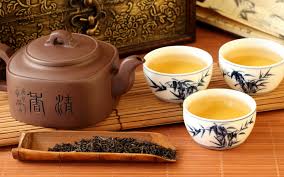
Tea
Chopsticks


Proverbs

Practices:
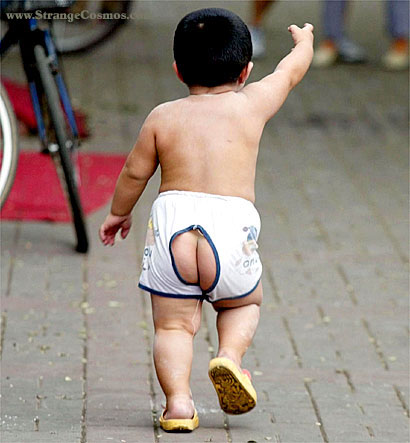
Chinese Toilet training
This process involves wearing special pants that
are split open in the crotch area.
Given Names
Chinese given names are not just a name favoured by the
baby's parents. A Chinese may have many given names throughout his life. One
month after birth, an infant is given a “milk name”. Family members, relatives
and close friends use this name. The name is usually selected by the family
elder or by a friend.
Names for boys reflect the parent’s wishes for his good
health, longevity, prosperity, expected talents, virtues, diligence, filial
piety, patriotism or intelligence.
Girls are named after exotic flowers, pretty birds, musical
instruments or jewels. Girls might also be named for feminine attributes such
as beauty, grace, thrift and purity. In some rural families, girls are not
given names but are simply referred to as the “oldest girl”, the “second girl”,
“third girl” and so on.
Frequently, all the boys in one family would have names that
shared the first character or adjective.
Chinese toilets
Come in a variety of styles in China. The Chinese people believe that if you sit on
the toilet seat, you will come in contact with germs that could make you ill.
So they prefer the squat style toilet, where your skin does not come in contact
with the toilet whatsoever.

Wedding
The bride will wear a red dress instead of white.
The bride will wear a red dress instead of white.

Perspectives:
Chinese people will expect you to...
- remove your shoes when entering a Chinese home or temple
- greet the eldest person in a Chinese family first, as a sign of respect
- present things to people with both hands, to show that what you’re offering is the fullest extent of yourself
- fill your companion’s tea cup when it’s empty, especially if your companion is older than you
- eat all of the rice in your bowl – some Chinese believe it’s bad luck to leave even a single grain behind
- be punctual. Being on time shows respect for others.

They wouldn't expect you to...
- write anything in red ink unless you’re correcting an exam. Red ink is used for letters of protest.
- leave your chopsticks upright in your bowl or tap your bowl with them
- point the bottom of your shoes/feet at someone
- shake your feet, lest you shake away all of your luck.
- touch someone’s head (it’s sacred)
Stereotypes
- All chinese are good at math. False
- All "made in China" is falsificate. False
People who break the mold...
"God made me and broke the mold."Jean-Jacques Rousseau
Ophra Winfrey broke the mold. She has become one of the most famous, powerful and persuasive people around the world.
Even when she had 2 bad facts against her, she didn't give up and worked really hard to get what she has now.
The fact of being a woman and the fact of being black made her successful a difficult process. But nowadays she is one of the most powerful women around the world.


No hay comentarios:
Publicar un comentario