CULTURAL PRODUCTS
Products are the visible dimension of culture, in other words, they are the Gateway to the new culture, the new way of life. They are the first things that greet our senses when we enter the culture and the differences stand out. We can see, hear, feel, smell or taste these cultural products that are creations of the members. However, some of them cannot be tangible and are ideational products like laws, economics, religion or art.
Cultural products are classified into four categories based on
increasing complexity: artifacts, places, institutions and art forms.

Artifacts
Are the individual objects
created or adopted by the members of the culture.
 |
| Euro (Currency used in Europe). |
Places
Also known as physical
settings. They are cultural products too. They encompass the use or interpretation of
the physical features of natural environment.
 |
| Central Park (New York). |
Institutions
Are created to deal
with “the business of living”. These institutions are formal, organized systems
that define and regulate the practices of members of the culture.
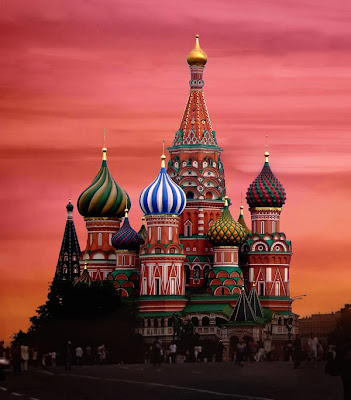 |
| St. Basil 's Cathedral (Moscow, Russia). |
Art forms
Are complex products
that pervade the culture and exist beyond particular social institutions. Include
language and its creative manifestations. Reflect the esthetic outlook,
sensibilities and philosophy of the culture.
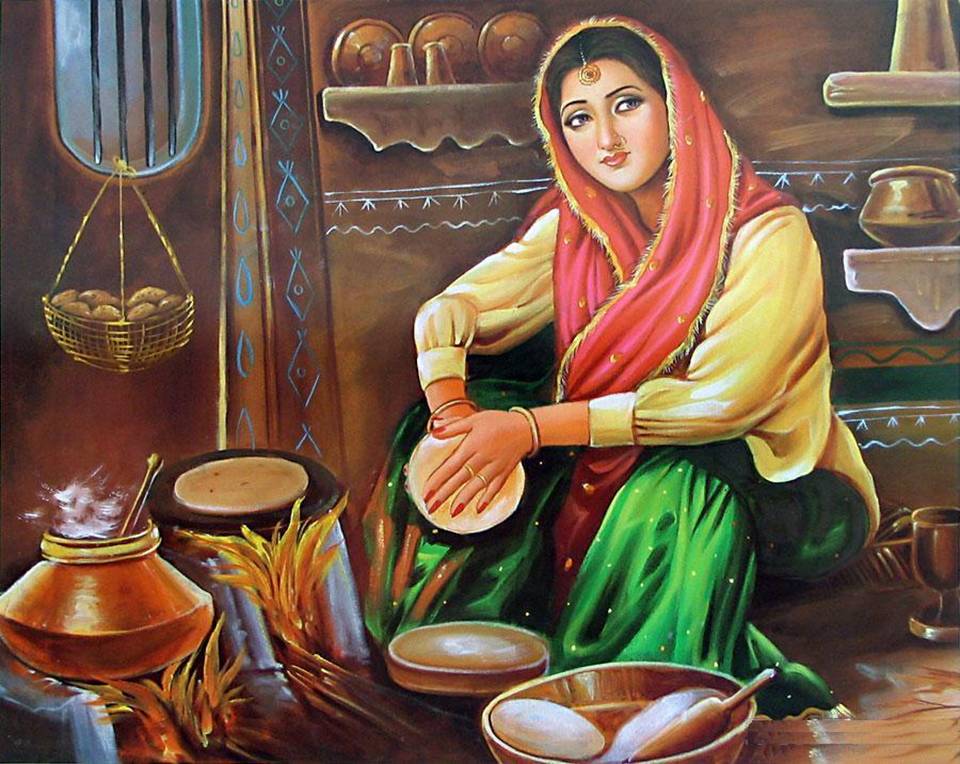
Some examples of cultural products are:
Kippah
A kippah, kippa or kipa , is like a cap usually
made of cloth. Jewish men wear this cultural product as a requirement that is held by
some orthodox people.

Chinese tea
Chinese tea is a beverage from the leaves of tea plants. This is a traditional product in China. People in China drink tea throughout the day, including during meals, as a substitute for plain water for health or simple pleasure. We can see how products are also related to the other four dimensions, in this case the product is used for practices.

Ritsurin Garden
In Japan, the garden has
the status of artwork. The Ritsurin Garden is one of the most famous and most beautiful historical gardens in Japan. The garden is situated in the city of Takamatsu and is considered one of its main attractions.

Indian Sari
A sari is a strip of cloth, worn by women in the Indian Subcontinent. The sari is usually worn over a petticoat called lehenga and with a blouse known as a choli. (You can click on the blue words to know more about other products used with the sari).
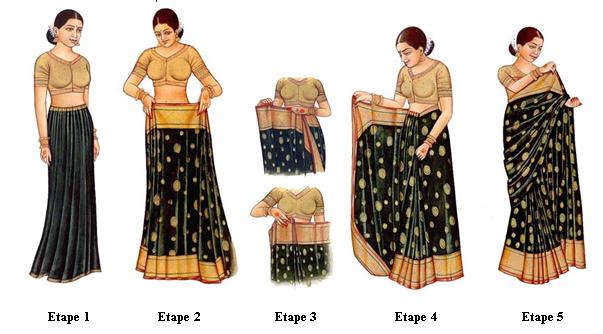
This product represents the Indian culture. It is also related with cultural practices. There are different kinds of draping which means it has different meaning depending on the culture.
Great highland bagpipe and Kilt.

The Great Highland Bagpipe is a type of bagpipe native to Scotland. It has achieved widespread recognition through its usage in the British military and in pipe bands throughout the world. This product is a very good representation of Scottish culture. Whenever you see one of this instruments you will think about Scotland.
This product is very popular in areas with Scottish and Irish emigrant populations like England, USA, Canada, New Zealand, Australia or South Africa.

I think the way different cultures share and adapt products according to their practices and perspectives is very interesting. As you showed above, currency is a product that is present in many cultures but all of them have their own. The same goes for parks and other art forms such as paintings. Your examples of not well known cultural products are very eye-catching, I especially like the Japanese garden, it looks like a very peaceful place to spend a summer afternoon :D And Chinese tea also attracted my attention, it is a common thing in my grandparent's house. At first I didn't like it because it is a little bitter, and it is not usual to add sugar to sweeten it. But now, I believe it is a very comforting beverage. We usually have tea and tamales on Christmas night, it has become a tradition in my family. We combined typical foods from Costa rican and Chinese cultures.
ResponderEliminar